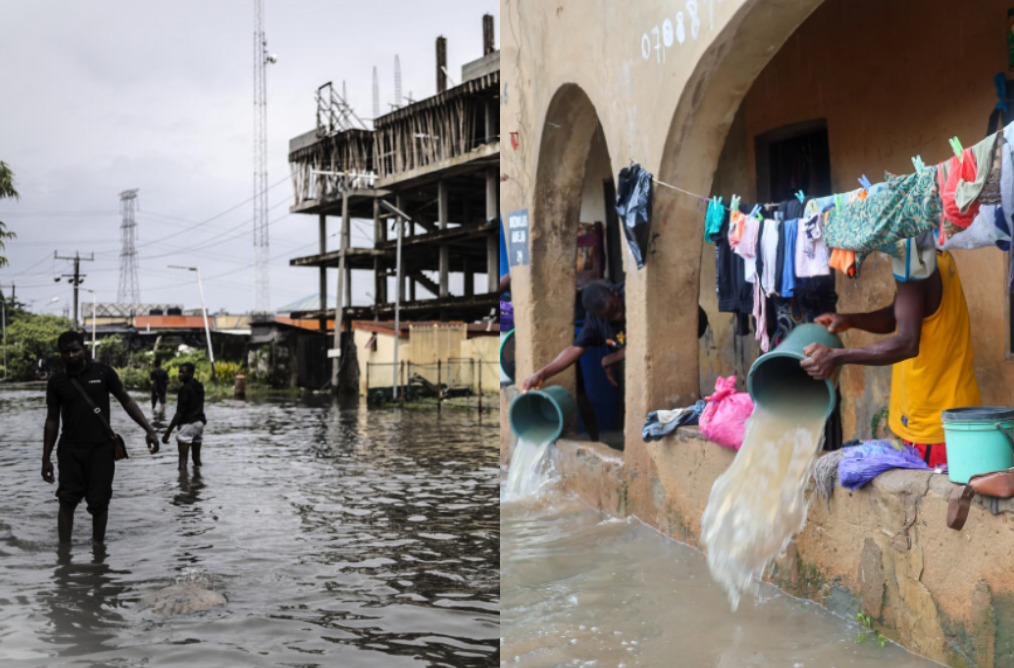
The Lagos State Government has advised residents living in low-lying and flood-prone communities to move to higher ground following a fresh seven-day flood warning issued by the Nigerian Hydrological Services Agency (NiHSA).
The warning covers September 19 to 25, 2026, and includes Lagos among 15 states facing increased flood risks due to rising river levels and rainfall.
Lagos Areas Placed on High Alert
The state government identified several communities that could be vulnerable to flooding during the warning period.
They include Eti-Osa, Lagos Island, Oke-Ira Nla in Ajah, Kirikiri, Ilaje Waterfront Jetty and Jetty Terminal B.
Other areas placed on heightened alert include Isheri North, Kara, Itowolo, Ajegunle, Majidun, Ogolonto and parts of Agboyi, as well as other settlements downstream of Isheri Olofin.
The government also urged communities along the Ogun River and other major waterways to remain particularly vigilant because heavy rainfall and rising water levels upstream could affect areas downstream in Lagos.
Government Urges Early Action
Lagos Commissioner for the Environment and Water Resources, Tokunbo Wahab, urged residents in vulnerable locations not to wait for floodwaters to rise before taking precautions.
Residents in affected communities have been advised to temporarily relocate to safer, higher ground where necessary and remain there while the flood threat persists.
The government said it has intensified monitoring of rainfall, river levels and other hydrological conditions across flood-prone communities.
Local governments, emergency agencies and community leaders have also been urged to activate their early-warning and response measures.
Residents Warned About Flooded Roads
Residents living close to rivers, lagoons, wetlands, drainage channels and other waterways have been advised to follow official flood forecasts and safety instructions.
Authorities have also cautioned residents against walking or driving through flooded roads, bridges and fast-moving water.
The government is continuing drainage maintenance and monitoring across the state, while residents have been urged not to dump refuse into drains, canals or waterways because blocked drainage channels can worsen flooding.
Lagos Continues Flood Monitoring
The latest alert comes as Lagos enters the second phase of its rainy season, when increased rainfall, rising water levels and tidal influences can increase the risk of flooding in low-lying and riverine communities.
For residents in vulnerable areas, authorities are urging early preparation and attention to official warnings throughout the September 19–25 alert period.
The Lagos State Government said it would continue working with relevant agencies to monitor the situation and provide updates as conditions develop.