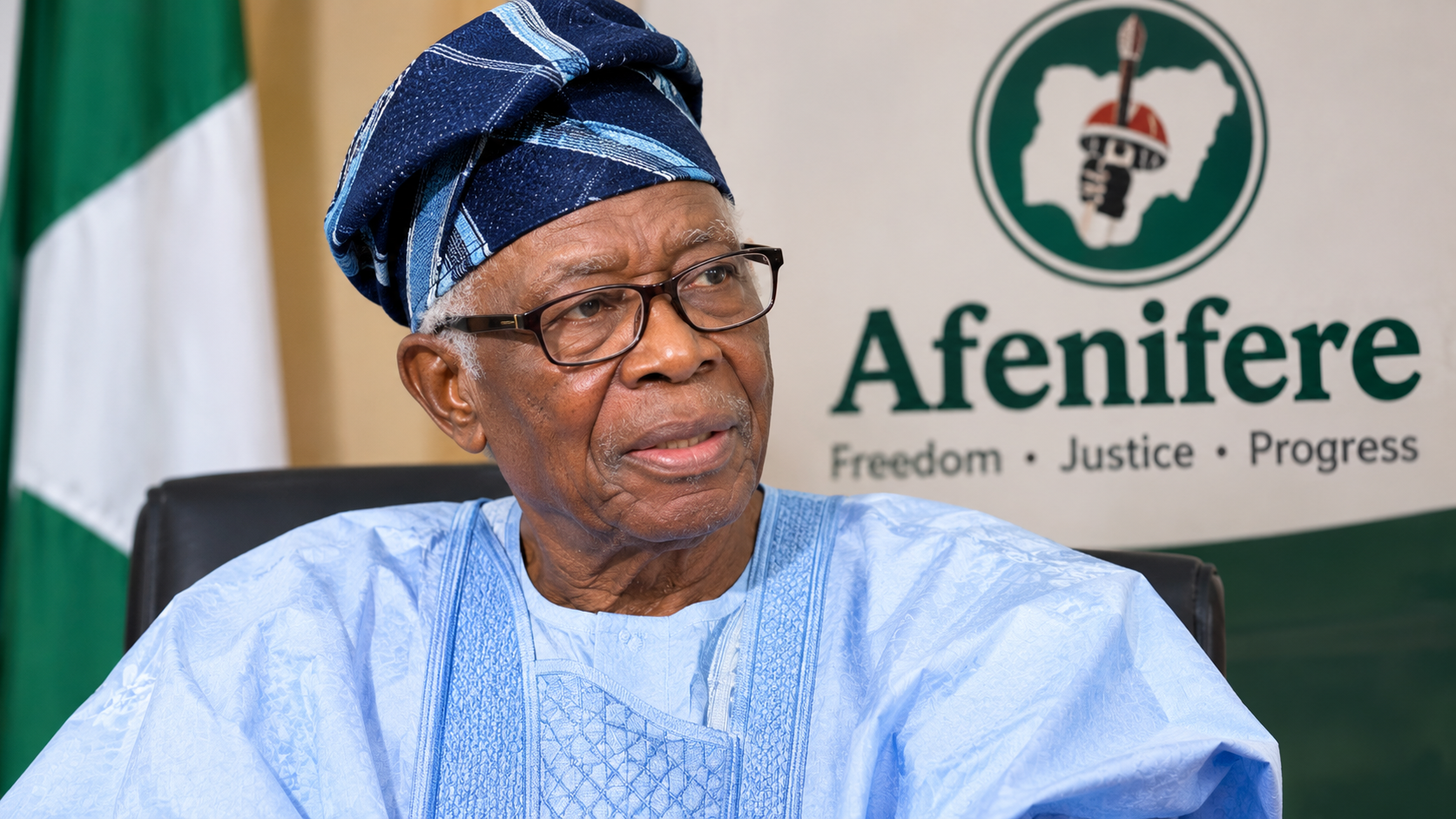
Pa Reuben Fasoranti, the respected Yoruba leader and prominent figure in Nigeria’s political landscape, has died at the age of 100.
News of the death of the Afenifere leader emerged on Wednesday, October 21, 2026, drawing attention to the legacy of one of the country’s best-known advocates of Yoruba interests and democratic governance.
Fasoranti was widely recognised for his role in Afenifere, the Yoruba socio-political organisation that has played a significant part in discussions about political representation, national unity, constitutional reform and the future of Nigeria’s federal system.
His death marks the loss of a figure whose public life spanned several generations of political change in the country.
Reuben Fasoranti Dies at 100
The death of Reuben Fasoranti has prompted renewed interest in his long public life and influence on Nigerian politics.
As a leading figure in Afenifere, he was associated with the organisation’s efforts to promote the interests of the Yoruba people while participating in wider national conversations about democracy and governance.
Fasoranti’s political influence extended beyond his immediate community, particularly during periods when questions about Nigeria’s constitutional structure, political leadership and the distribution of power became major national issues.
His longevity also meant that he witnessed significant changes in the country’s political history, from earlier periods of regional politics to military rule and the return to democratic government.
Further official statements are expected to provide more details about funeral arrangements and plans to honour his memory.
Who Was Pa Reuben Fasoranti?
Pa Reuben Fasoranti was a Nigerian political leader and a prominent member of the Yoruba socio-political movement.
He became particularly associated with Afenifere, an organisation that advocates for the political, economic and cultural interests of the Yoruba people.
The group has also participated in national debates about restructuring, federalism, democratic accountability and the relationship between Nigeria’s central government and its constituent states.
Fasoranti was regarded by supporters as an elder statesman whose views carried weight within political discussions in southwestern Nigeria.
His position in Afenifere placed him among the influential voices involved in shaping conversations about the direction of Yoruba politics and the country’s democratic future.
Fasoranti’s Role in Afenifere
Afenifere has a long history in Nigerian political life and is closely associated with advocacy for Yoruba interests and democratic governance.
The organisation has frequently taken positions on national political questions, including constitutional reform, federalism, elections and the protection of democratic institutions.
As one of its most recognisable leaders, Fasoranti became an important figure in these discussions.
His leadership helped maintain public attention on the organisation’s positions during successive administrations and changing political circumstances.
Afenifere’s role in Nigerian politics has not been without disagreements, including differences over leadership, political alliances and the best approach to achieving its objectives.
Nevertheless, Fasoranti remained an important name in discussions about the organisation and its place in the country’s political landscape.
A Long Life Through Nigeria’s Political Changes
Fasoranti lived through a period of major transformation in Nigeria.
Over the decades, the country experienced independence, civil war, military governments, economic challenges and the eventual restoration of civilian rule in 1999.
These developments shaped the political environment in which leaders such as Fasoranti operated.
Questions about regional representation, the distribution of national resources, the protection of minority interests and the structure of the federation have remained central to Nigeria’s political debates.
Fasoranti’s involvement in public affairs made him a familiar figure in discussions about these issues, particularly those affecting southwestern Nigeria and the wider Yoruba community.
His death at 100 closes a chapter in the life of a leader whose public presence continued across several generations.
Why His Death Matters to Nigerian Politics
The death of a prominent elder statesman can carry significance beyond the immediate political community in which he operated.
Fasoranti’s association with Afenifere connected him to wider debates about the future of Nigeria’s political system and the representation of different communities within the federation.
His passing may also prompt reflection on the future leadership of the organisation and the continuation of its political advocacy.
However, the direction Afenifere takes will depend on its members, leadership structures and future decisions rather than on any single individual.
For younger Nigerians interested in political history, Fasoranti’s life also provides an opportunity to examine how political organisations and regional movements have influenced the country’s democratic development.
Tributes and Funeral Arrangements
News of Fasoranti’s death has featured prominently in Nigerian news coverage, with attention turning to his public service and political legacy.
Details concerning funeral arrangements, official condolences and memorial events should be confirmed through statements from his family and recognised representatives of Afenifere.
As tributes emerge, the focus is likely to remain on his contributions to political advocacy and the issues he championed during his lifetime.
NEWSSORA will update this report as verified information about the family’s announcements and funeral plans becomes available.
A Legacy That Will Remain Part of Nigeria’s History
Pa Reuben Fasoranti’s death at the age of 100 represents the passing of a major figure in Yoruba socio-political life.
His association with Afenifere and his involvement in discussions about democracy and governance ensured that his name remained part of Nigeria’s political conversation for many years.
While political organisations evolve and new generations of leaders emerge, the debates that shaped Fasoranti’s public life continue to influence the country.
His death provides an opportunity to reflect on the role of elder statesmen, the importance of political participation and the continuing debate over how Nigeria should be governed.
As more details are confirmed, attention will turn to the tributes, funeral arrangements and the lasting impact of his contributions to Nigerian public life.